Luxury found its antidote to AI: the cartoon | Mira Studio
Prada, Dior and Levi's went hand-drawn for the holidays. It isn't only nostalgia, it's fear of AI. What if the real question is the dose?
· Insight · 6 min · By Estée Jaillon, Mira Studio
For the 2026 holidays, luxury picked up the pencils. Prada, Dior and Levi's, alongside Loewe, Rimowa and Guerlain, are telling Christmas through animation, stop-motion and illustrated fairy tales. It's beautiful, and it isn't only nostalgia: anything that looks "AI-generated" gets torn apart in the comments. Yet inside the industry, AI is often part of the making. It just never makes the press release.
What the houses showed this season
Three films sum up the trend, and the trade press covered them widely in early November (Glossy, Fast Company, Vogue Scandinavia).
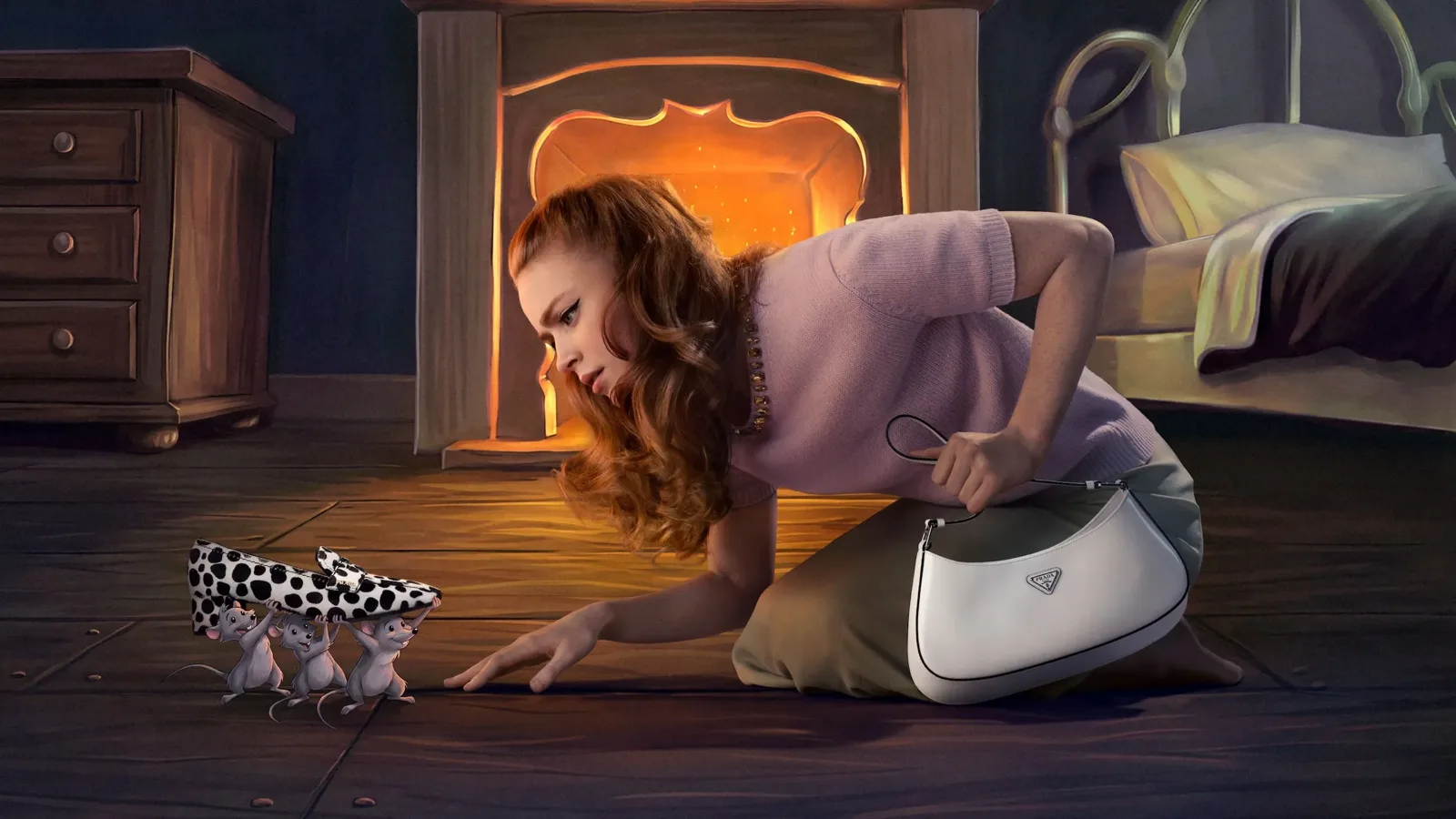
Prada: handmade, and saying so
"Drawing Prada: Animated By Hand" blends live action with frame-by-frame drawn animation, led by John Pomeroy, a former Disney animator. The title says it all: the hand is the argument. According to Glossy, the comments were overwhelmingly positive.
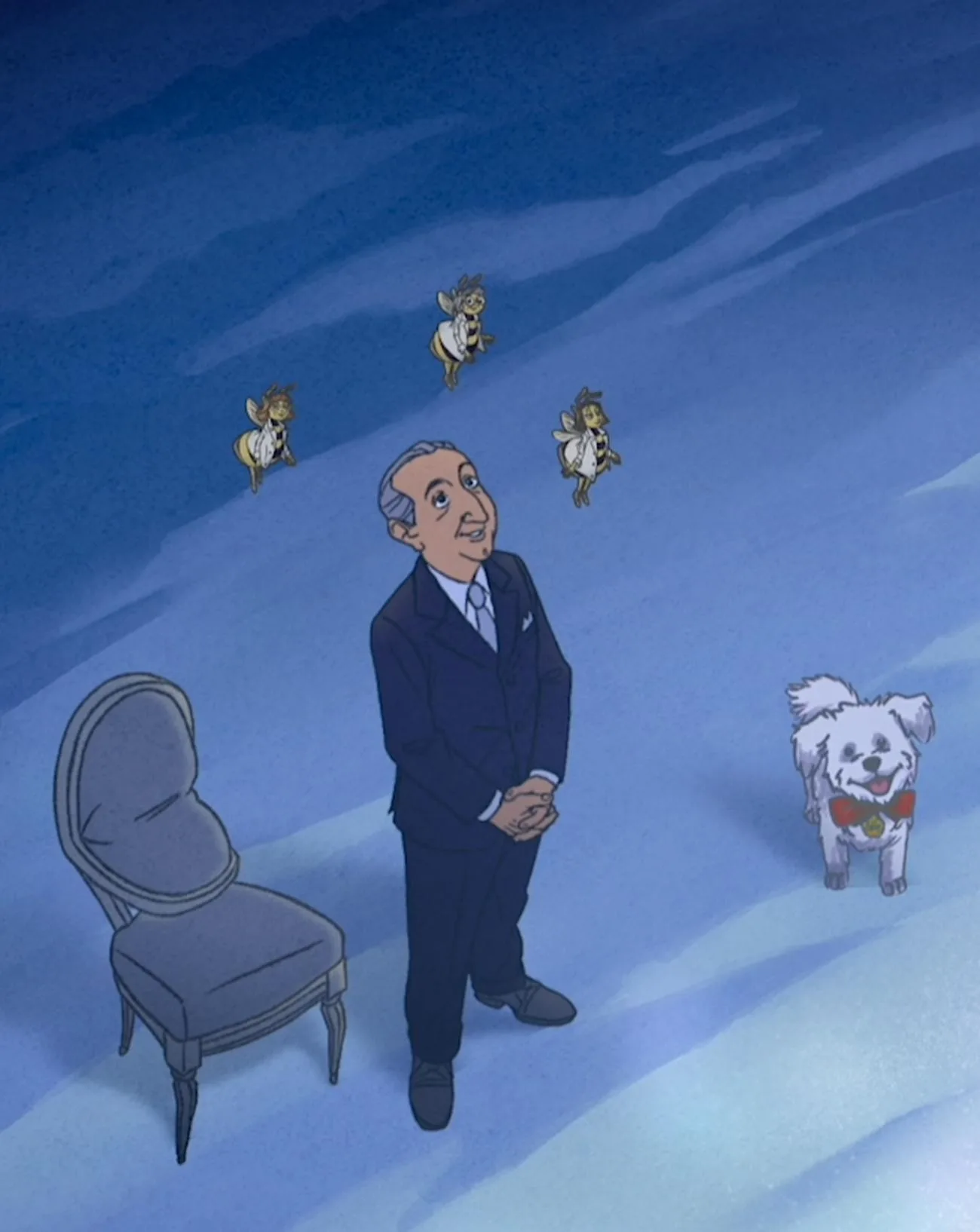
Dior: an auteur short film
"Christian Dior's Night in Color" is a fully animated film directed by Sylvain Chomet, voiced by Robert Pattinson and Rihanna. The atelier's seamstresses become bees. It's cinema writing, not advertising.
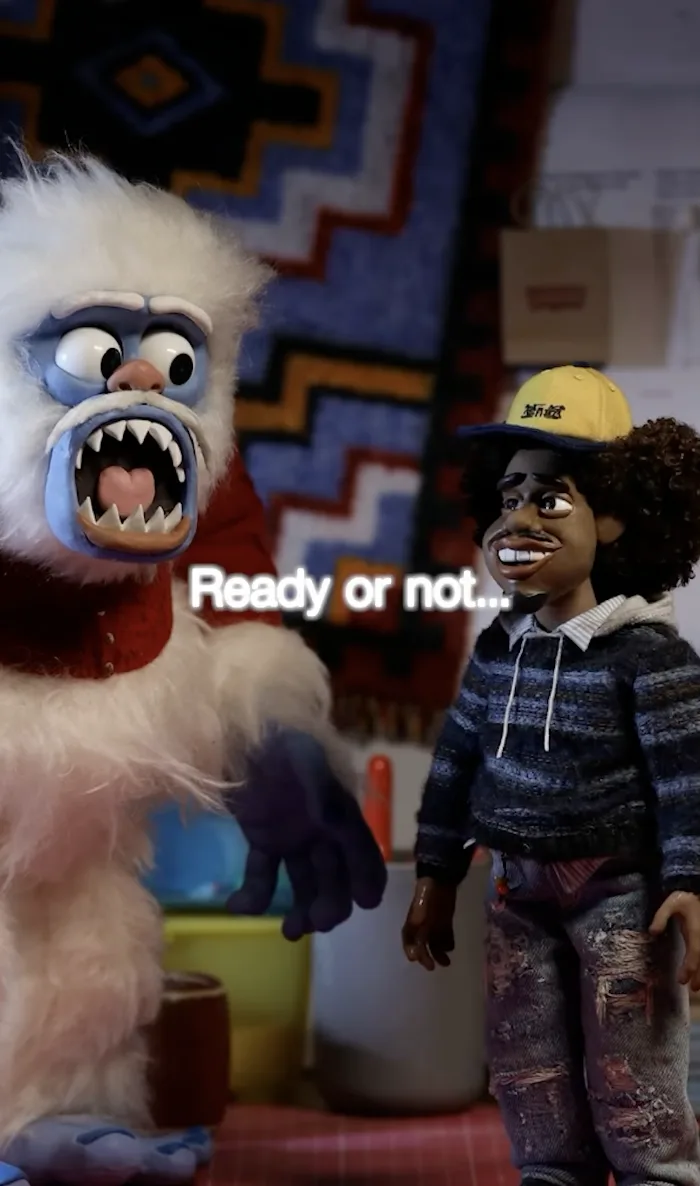
Levi's: patience as proof
"Let's Get Fuzzy" is a one-minute stop-motion film made with British studio Blinkink. Levi's speaks of roughly 2,000 hours of work. The number is part of the message: it proves someone took the time.
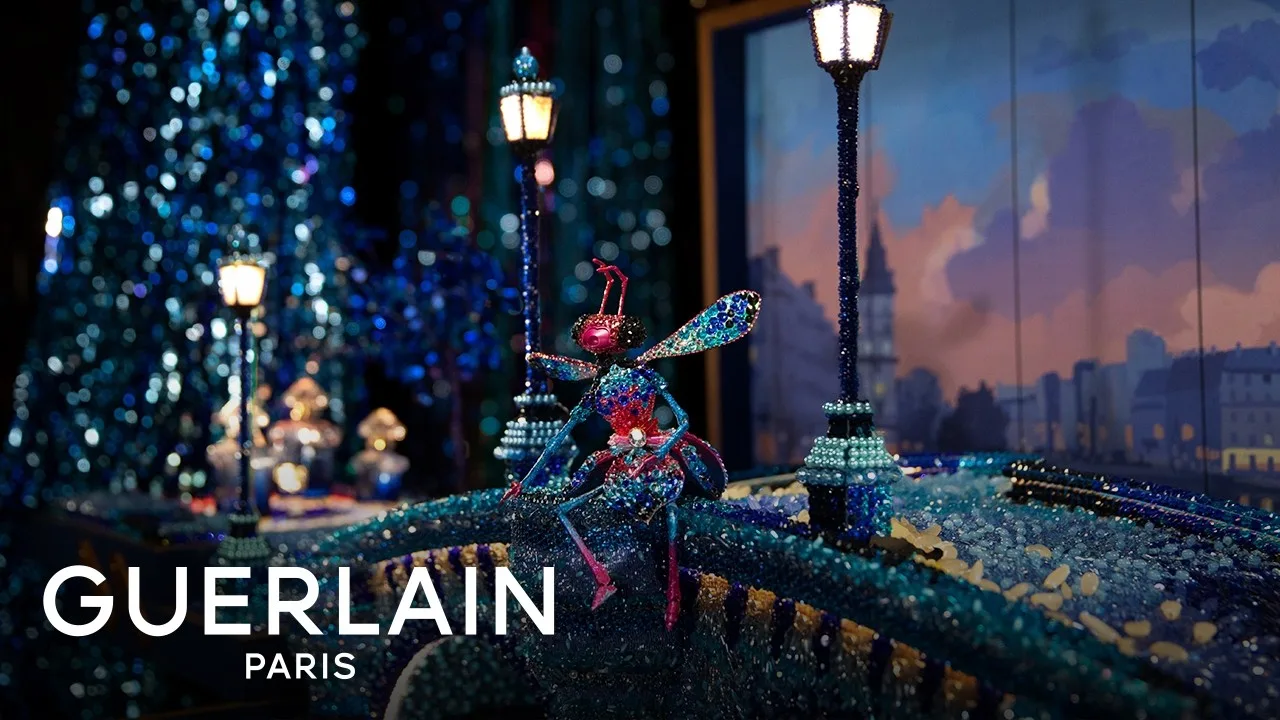
And the others
Guerlain, Loewe and Rimowa play the same card: fairy tale, material, gesture. At Guerlain, a beaded bee crosses a postcard Paris.
Why animation, and why now
There's the obvious reason: the holidays are childhood. We love going back there, and animation is the language of our first Christmases.
But the real reason lies elsewhere. In a year, the perfect image has become ordinary. Vogue Scandinavia put it in one line: "perfect has become cheap." When anyone can produce a smooth visual in seconds, luxury needs another signal of value. Visible effort becomes that signal. The slightly trembling line, the fur that shifts between frames, the hand you can sense.
And there's fear. Several houses have been criticized for images judged "AI-made" and therefore "cheap." The audience has become a detector. It zooms in, counts fingers, comments. A campaign suspected of AI is no longer judged on its idea, but on the suspicion.
The Dior case: suspicion is enough
Dior's film shows it. Despite Sylvain Chomet's signature, viewers thought they spotted warped lettering or a misplaced finger, and the AI accusation took off. A studio head claimed on LinkedIn, citing unnamed sources, that some elements were generated. None of this is confirmed. Jonathan Anderson, Dior's creative director, told WWD the film is entirely hand-drawn, using techniques that go back to the 1940s.
We don't know, and it isn't ours to judge. But the episode says something important: today, a house can do everything by hand and still spend a week defending itself. The problem isn't the tool. It's fear of public opinion in the face of a new medium.
AI is already in the studio
Nobody in the industry works the way they did in 1995. Digital tools are everywhere: style research, storyboards, backgrounds, clean-up, in-betweens, format adaptations. AI is joining that toolbox, usually quietly. It's in the making. It's almost never in the press release.
That silence is understandable. But it has a cost: it keeps alive the idea that AI is shameful by nature, and that a "human" image must be AI-free. Both are wrong. What makes an image beautiful is an idea, a point of view, an art direction. What makes it vulgar is the absence of all three, whatever the tool.
The best of both worlds exists
Pitting drawing against AI is the wrong question. The right model is a real drawing, a human hand, a truly creative idea. And AI to go further: more shots, more adaptations, more markets, on timelines traditional animation can't match.
That's how we work at Mira Studio, an AI creative agency in Paris. Art direction comes first: references, sketches, moodboard, rules for light and texture. AI comes next, steered image by image, never on autopilot. For Jacob & Co, we produced the Holiday 2025 campaign in 14 days, watches included; we tell the story, including what was hard, in our behind-the-scenes on that production.
What makes the difference isn't hiding AI. It's not letting it decide. The images that get torn apart are rarely "too AI." They're images without an idea, which AI made easy to produce and therefore easy to spot.
AI is like Botox
Used with a light hand, everyone finds it natural. Overdo it, everyone sees it, and it's all anyone talks about.
For a house, the question isn't "AI or no AI." It's: who holds the pencil? If the answer is an art director with an idea and a world, AI becomes a multiplier. If the answer is "the model," no cartoon will save the campaign.
FAQ
Why are luxury brands making animated holiday campaigns?
Two reasons. The holidays call up childhood, and animation is its language. Above all, visible effort has become a signal of value at a time when a smooth image takes seconds to make, and any visual suspected of AI gets criticized.
Can a hand-drawn campaign use AI?
Yes. The line, the idea and the art direction can stay human, while AI helps in production: backgrounds, adaptations, formats, variations. The question isn't the tool, it's who stays in control of the result.
How do you keep a campaign from looking "AI-generated"?
Start with a strong idea and art direction, before any tool. Then check every image: hands, lettering, materials, consistency of faces and products. An image that looks "AI" is almost always an image without direction.